



Japanese cloisonn é vase
The Cloisonn é vase from 19th century Japan is an outstanding representative of the craftsmanship level of that period. This vase uses copper wire as dividing lines, meticulously outlining the outline of the pattern, and is filled with enamel material, which is then fired and polished at high temperatures. The 19th century is known as the "golden age" of Japanese cloisonn é, when production techniques reached unprecedented heights. The works are characterized by "exquisite wire work and extreme attention to detail". These vases are not only cherished domestically in Japan, but have also achieved great success at international exhibitions, exerting a profound influence on European ceramic manufacturers.

Popular Models


Random Model


G. melas
969 View

Mercedes-Benz G63 AMG SUV car
988 View


Bronze Faucet for Yard Irrigation
812 View

Sony WH-H900N Moonlight Blue
930 View
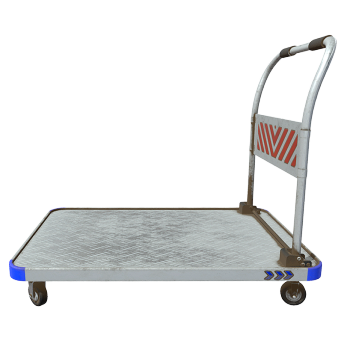
Warehouse Cargo Metal Trolley
714 View

DT830D digital multimeter
1409 View

Elegant Fun "bamboo tube
774 View